Have you ever said, “I’m not sleepy… I’m just exhausted inside”?
That heavy, foggy, flat feeling.
No excitement.
No motivation.
Small things feel overwhelming.
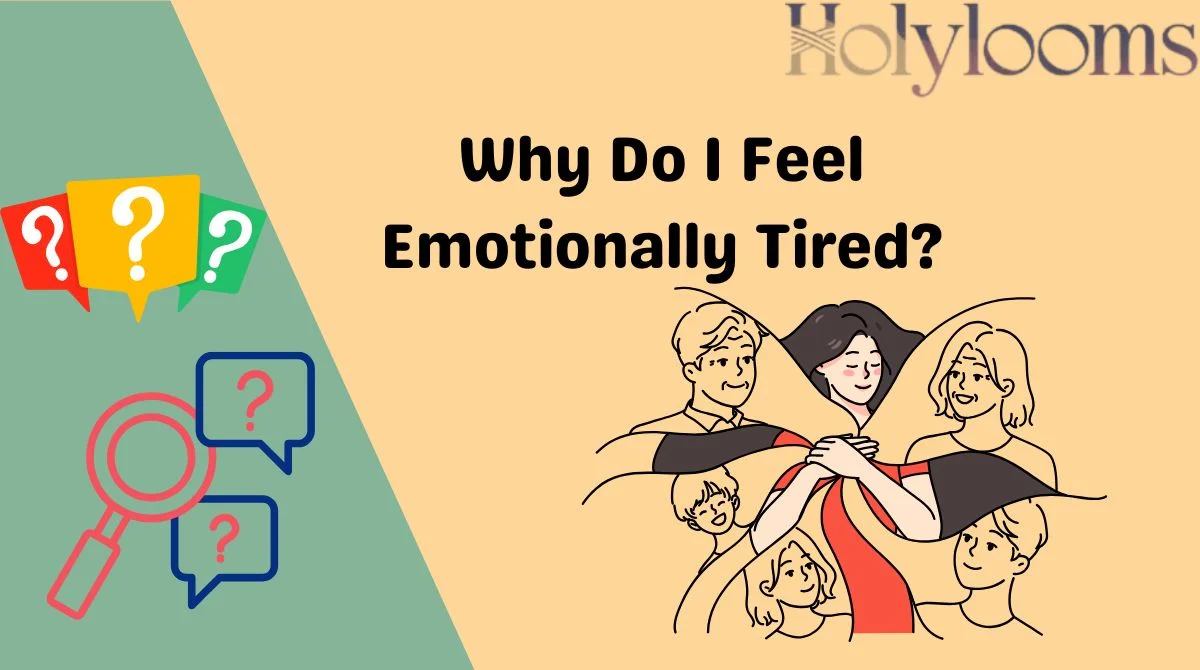
If you’ve been asking, “why do I feel emotionally tired?” — you are not weak, lazy, or broken. Emotional tiredness is one of the most common struggles in modern life.
Today’s world asks your brain to process nonstop information, decisions, stress, and emotions. Even when your body is resting, your mind may not be.
Let’s break this down in a simple, honest way.
Quick Answer Summary
Emotional tiredness happens when your brain has used too much mental and emotional energy. Stress, overthinking, poor sleep, constant stimulation, unresolved feelings, and burnout can drain your nervous system. It is different from physical fatigue. It feels heavy inside, even if your body is not tired.
What This Energy Signal Means
Your brain runs on energy.
Not just food energy. Emotional energy.
Every conversation.
Every decision.
Every worry.
Every notification.
Every social interaction.
They all cost mental fuel.
When that fuel runs low, you may feel:
- Mentally drained
- Unmotivated
- Irritable
- Numb
- Tearful for no clear reason
- Unable to focus
- Overwhelmed by small tasks
Emotional tiredness is your brain saying:
“I need recovery.”
This is different from physical exhaustion. You might sleep 8 hours and still feel emotionally empty.
Your nervous system may be overloaded.
And in today’s fast world, overload is common.
5 Science-Based Reasons
Let’s look at what science tells us about emotional fatigue.
1. Chronic Stress Overloads the Brain
Stress is not just a feeling. It is a biological process.
When you are stressed, your body releases cortisol and adrenaline. These hormones help you respond to danger.
Short-term stress is helpful.
Long-term stress is draining.
Chronic stress:
- Shrinks mental energy
- Disrupts sleep
- Increases anxiety
- Wears down emotional resilience
Your brain cannot stay in survival mode forever.
Eventually, it feels tired.
2. Decision Fatigue
Every day, you make thousands of decisions.
What to wear.
What to reply.
What to eat.
How to act.
How to respond emotionally.
Your brain uses glucose and neural energy to decide.
By evening, your mental fuel tank is low.
This is called decision fatigue.
When decision fatigue builds up daily, emotional tiredness follows.
3. Poor Sleep Quality
You might be sleeping. But are you restoring?
Deep sleep is when the brain cleans waste products and resets emotional centers like the amygdala.
Without good sleep:
- Emotions feel stronger
- Stress tolerance drops
- Motivation decreases
- Mood becomes unstable
Sleep debt creates emotional debt.
4. Emotional Suppression
Holding feelings in takes energy.
Pretending to be okay.
Smiling when you’re not.
Ignoring sadness or anger.
This drains emotional bandwidth.
The brain uses extra effort to suppress feelings. Over time, that effort becomes exhausting.
5. Dopamine Burnout
Your brain runs on reward chemicals like dopamine.
Scrolling social media.
Checking messages.
Watching videos.
Gaming.
These give small dopamine spikes.
Too many spikes can make normal life feel dull.
When dopamine balance drops, motivation drops.
You feel flat. Uninspired. Emotionally tired.
Lifestyle Causes
Modern life is mentally loud.
Here are common lifestyle triggers.
Constant Digital Stimulation
Your brain rarely rests. Notifications keep your nervous system alert.
Multitasking
Switching tasks drains mental energy faster than focusing on one task.
Lack of Quiet Time
No silence means no reset.
Too Little Movement
Exercise increases oxygen and brain-derived neurotrophic factor (BDNF), which supports mental energy.
Poor Diet
Highly processed foods can cause blood sugar swings. Blood sugar crashes feel like emotional crashes.
Overcommitment
Saying yes to too much leaves no recovery time.
Emotional tiredness is often a signal of imbalance, not weakness.
Mental Health and Stress Connection
Sometimes emotional fatigue connects to deeper mental health issues.
Burnout
Burnout is more than being busy. It is emotional depletion caused by prolonged stress.
Signs include:
- Feeling detached
- Cynical thinking
- Low accomplishment
- Constant exhaustion
Anxiety
An anxious brain never fully rests. It scans for danger. This uses energy nonstop.
Depression
Depression is often described as heavy tiredness. It affects motivation and pleasure centers.
Trauma
Unprocessed trauma keeps the nervous system alert. Even when life seems calm, the body may still be in defense mode.
Social Overload
Some people recharge alone. Too much social interaction can drain emotional energy.
If emotional tiredness lasts weeks and affects daily life, it may be more than just stress.
“Not a medical diagnosis. Education only.”
When It Might Need Medical Check
Sometimes emotional fatigue is linked to physical health.
Low iron (anemia)
Low vitamin B12
Thyroid imbalance
Hormone changes
Chronic inflammation
Sleep apnea
These conditions can make you feel mentally drained.
Talk to a healthcare provider if you notice:
- Extreme fatigue daily
- Memory issues
- Hair thinning
- Rapid heart rate
- Sudden mood shifts
- Ongoing sadness
- Loss of interest in everything
Emotional tiredness is real. But it should not control your life.
Simple Energy Improvement Tips
You do not need a complete life reset.
Small changes rebuild energy over time.
1. Protect Your Sleep
Go to bed at the same time.
Limit screens 60 minutes before bed.
Keep the room cool and dark.
Sleep is brain repair time.
2. Reduce Mental Noise
Turn off non-essential notifications.
Schedule “no input” time.
Sit in silence for 5 minutes daily.
Silence restores cognitive energy.
3. Move Your Body
Walk 20 minutes.
Stretch.
Do light strength training.
Movement increases oxygen and improves mood chemistry.
4. Limit Dopamine Overload
Reduce endless scrolling.
Avoid constant short-form content.
Allow boredom sometimes.
Boredom resets your reward system.
5. Set Emotional Boundaries
Say no more often.
Avoid draining conversations.
Limit contact with energy-draining people.
Protect your mental space.
6. Process Feelings
Write them down.
Talk to someone safe.
See a therapist if needed.
Unprocessed emotion weighs heavy.
7. Fuel Your Brain Properly
Eat protein.
Include healthy fats like omega-3s.
Drink water.
The brain is 60% fat. Nutrition matters.
8. Practice Nervous System Reset
Deep breathing
Cold water on face
Slow exhale breathing
Meditation
These calm stress pathways.
9. Lower Perfectionism
High self-pressure burns energy.
Progress beats perfection.
10. Schedule Recovery
Rest should not be earned.
It should be scheduled.
You cannot run at 100% forever.
Frequently Asked Questions
Why do I feel emotionally tired but not physically tired?
Emotional fatigue affects the brain’s stress and reward systems. Your body may feel fine, but your nervous system may be overloaded.
Can emotional tiredness be a sign of depression?
Yes. If emotional tiredness lasts more than two weeks with low mood and loss of interest, consider speaking to a professional.
How long does emotional burnout last?
It depends on the cause. Mild burnout may improve in weeks with rest. Severe burnout can take months without lifestyle changes.
Is emotional exhaustion the same as stress?
Not exactly. Stress is pressure. Emotional exhaustion is what happens when stress lasts too long without recovery.
Why do I wake up already emotionally drained?
Your brain may not be fully resting during sleep due to stress, anxiety, or poor sleep cycles. Hormone imbalance can also contribute.
Final Thoughts
If you’ve been asking, “why do I feel emotionally tired?” — your body is not failing you. It is signaling overload.
Emotional energy is real energy.
Your brain works nonstop in today’s world. Constant input. Constant pressure. Constant decisions.
Emotional tiredness is not weakness. It is information.
It tells you:
Slow down.
Protect your energy.
Reset your nervous system.
Process what you carry.
Small daily changes rebuild resilience.
You are not lazy.
You are likely overloaded.
And overloaded systems need recovery — not shame.

Adrian Walker is a passionate writer who enjoys sharing useful knowledge and practical insights with readers.
He focuses on creating simple, informative content that helps people learn new things and understand topics easily.