Sleep for a few hours. Wake up. Still feel exhausted.
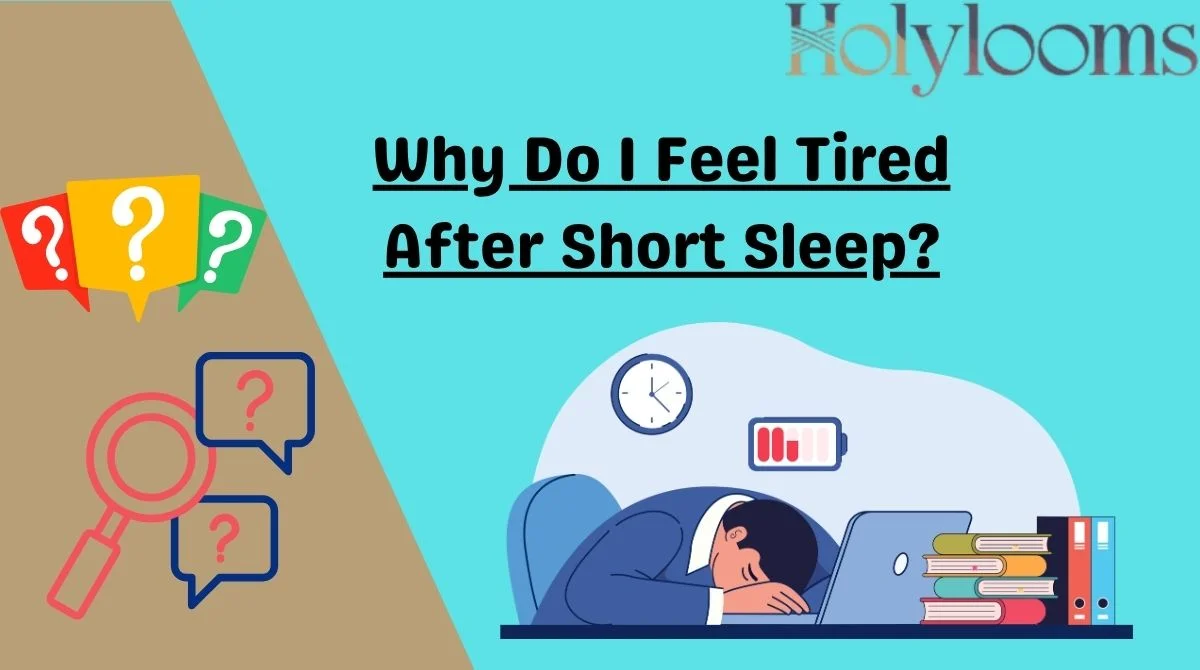
If you have ever asked yourself, “why do I feel tired after short sleep?”, you are not alone.
Many people believe that a short sleep should give them enough energy to get through the day. Sometimes it does. But often, even after a nap or a few hours of sleep, the body still feels heavy, the mind feels slow, and energy seems missing.
The reason is simple: your brain and body need more than just time in bed. They need enough quality sleep to recover, recharge, and reset.
Quick Answer Summary
If you feel tired after short sleep, it usually means your brain and body did not complete the recovery process they need.
Common reasons include:
- Sleep debt
- Interrupted sleep cycles
- Poor sleep quality
- Stress and anxiety
- Mental exhaustion
- Health conditions affecting energy
A short sleep can reduce some tiredness, but it often cannot replace the deep and restorative sleep your brain needs.
Not a medical diagnosis. Education only.
What This Energy Signal Means
Feeling tired after short sleep is your body’s way of sending a message.
Your brain uses sleep to:
- Repair cells
- Store memories
- Balance hormones
- Remove waste products
- Restore mental energy
When sleep is too short, these important jobs may not finish.
Think of your body like a phone battery.
A few minutes of charging may help a little. But if the battery was almost empty, it needs more time to reach full power.
The same thing happens with sleep.
Short sleep may help briefly, but it often cannot fully recharge your energy system.
6 Science-Based Reasons You Feel Tired After Short Sleep
Sleep Debt Is Still Building
Sleep debt happens when you regularly get less sleep than your body needs.
For example:
- You need 8 hours
- You sleep 5 hours
That creates a 3-hour sleep debt.
One short sleep session usually cannot erase that debt.
The brain remembers missed sleep. As the debt grows, tiredness grows too.
Signs of sleep debt include:
- Low energy
- Brain fog
- Slow thinking
- Poor focus
- More mistakes
Your Sleep Cycle Was Interrupted
Sleep happens in cycles.
During the night, your brain moves through different stages of sleep.
These stages include:
- Light sleep
- Deep sleep
- Dream sleep
Each stage serves a purpose.
When sleep is cut short, the cycle may stop before completion.
This can leave you feeling tired even after waking up.
Sometimes people wake during deep sleep and feel worse than before sleeping.
This feeling is often called sleep inertia.
It can make you feel:
- Groggy
- Confused
- Sluggish
- Mentally slow
You Missed Deep Sleep
Deep sleep is one of the most important stages of sleep.
During deep sleep:
- Muscles recover
- The immune system works
- Growth and repair happen
- Energy stores are restored
If your sleep is too short, you may not get enough deep sleep.
Without enough deep sleep, the body may wake up feeling as if it never rested.
Many people think all sleep is equal.
It is not.
A shorter sleep filled with interruptions can leave you more tired than a longer sleep with good quality.
Your Brain Is Still Clearing Fatigue
Throughout the day, the brain works constantly.
It processes information.
It solves problems.
It handles emotions.
This activity creates waste products inside the brain.
Sleep helps remove this buildup.
When sleep is too short, the cleaning process may not finish.
As a result, you may wake up feeling mentally tired even if your eyes are open and your body is moving.
Common signs include:
- Brain fog
- Forgetfulness
- Difficulty concentrating
- Feeling mentally drained
Stress Hormones Are Keeping You Exhausted
Stress affects sleep more than many people realize.
When you are worried, anxious, or overwhelmed, the body releases stress hormones.
These hormones can:
- Make sleep lighter
- Increase nighttime awakenings
- Reduce deep sleep
- Prevent full recovery
You may spend several hours in bed but still wake up tired because your brain remained partly alert throughout the night.
The body was sleeping.
The brain was still working.
Your Internal Body Clock Is Off
Your body follows a natural rhythm called the circadian rhythm.
This internal clock controls:
- Sleep
- Energy
- Alertness
- Hormones
When this rhythm becomes disrupted, tiredness can appear even after sleeping.
Common causes include:
- Staying up late
- Shift work
- Irregular sleep schedules
- Late-night screen use
- Frequent time changes
If your internal clock is confused, your brain may wake up at the wrong biological time.
That can make you feel exhausted despite getting some sleep.
Lifestyle Causes That Can Make Short Sleep Feel Worse
Sometimes the problem is not just sleep length.
Daily habits can make tiredness stronger.
Too Much Screen Time
Phones, tablets, and computers expose the eyes to bright light.
This light can delay the body’s natural sleep signals.
As a result:
- Falling asleep becomes harder
- Sleep quality drops
- Recovery decreases
Too Much Caffeine
Caffeine can stay in the body for many hours.
A late afternoon coffee may still affect sleep at night.
Even if you sleep, the quality may suffer.
This can lead to tiredness the next morning.
Lack of Physical Activity
Movement helps regulate sleep.
People who rarely exercise may experience:
- Lower sleep quality
- Reduced deep sleep
- More daytime fatigue
Simple daily movement can improve energy levels.
Poor Sleep Environment
Your bedroom matters.
Sleep quality often drops when the room is:
- Too bright
- Too noisy
- Too hot
- Too uncomfortable
A poor sleep environment can make a short sleep feel even less refreshing.
Irregular Sleep Schedule
Going to bed at different times every night can confuse the body’s clock.
The brain prefers consistency.
A regular sleep routine often improves energy more than people expect.
The Mental Health and Stress Connection
The brain and energy system are deeply connected.
Mental stress can create physical tiredness.
Even when the body is resting, emotional pressure can drain energy.
Anxiety
Anxiety keeps the brain alert.
You may sleep for a few hours, but the mind remains active.
Many people with anxiety report waking up tired because their brain never fully relaxed.
Chronic Stress
Long-term stress can wear down the body’s energy systems.
Symptoms may include:
- Constant fatigue
- Poor concentration
- Irritability
- Trouble sleeping
The body spends so much energy managing stress that little remains for recovery.
Emotional Exhaustion
Difficult life situations can create emotional fatigue.
Examples include:
- Work pressure
- Family problems
- Financial worries
- Major life changes
Emotional exhaustion often feels similar to physical tiredness.
Even after sleeping, energy may remain low.
Overthinking Before Bed
Many people go to bed physically tired but mentally active.
The brain keeps replaying conversations, worries, or plans.
This can reduce sleep quality and make short sleep less effective.
When It Might Need a Medical Check
Occasional tiredness after short sleep is normal.
However, persistent fatigue deserves attention.
Consider speaking with a healthcare professional if:
- Fatigue lasts for weeks
- Sleep does not improve energy
- You frequently fall asleep during the day
- Loud snoring occurs regularly
- You wake up gasping for air
- Concentration becomes difficult
- Daily activities feel overwhelming
Sometimes underlying conditions can contribute to fatigue.
Examples may include:
- Sleep disorders
- Hormonal imbalances
- Nutritional deficiencies
- Chronic health conditions
- Certain medications
A proper evaluation can help identify the cause.
Simple Energy Improvement Tips
The good news is that many people can improve their energy through simple habits.
Prioritize Sleep Duration
Most adults need around 7 to 9 hours of sleep each night.
Try making sleep a daily priority rather than something left over after everything else.
Keep a Consistent Sleep Schedule
Go to bed and wake up at similar times every day.
Consistency helps train the brain’s internal clock.
Create a Relaxing Bedtime Routine
Before sleep:
- Dim lights
- Reduce screen use
- Read a book
- Stretch gently
- Practice calm breathing
These signals tell the brain that bedtime is approaching.
Get Morning Sunlight
Natural morning light helps regulate the body’s clock.
Even a short walk outside can support healthier sleep patterns.
Stay Physically Active
Regular movement supports:
- Better sleep quality
- Improved mood
- Stronger energy levels
You do not need intense workouts.
Walking can help.
Manage Stress
Simple stress-management habits include:
- Journaling
- Meditation
- Deep breathing
- Talking with supportive people
- Spending time outdoors
Reducing stress often improves sleep quality and energy.
Avoid Heavy Meals Before Bed
Large meals late at night may interfere with sleep.
Try giving your body time to digest before bedtime.
Frequently Asked Questions
Why do I feel tired after only 4 hours of sleep?
Four hours is usually not enough sleep for most adults. Your brain may not complete important sleep cycles, leading to fatigue, poor focus, and reduced energy.
Can a short nap make me feel more tired?
Yes. If you wake during deep sleep, you may experience grogginess and sleep inertia. This can temporarily make you feel more tired than before the nap.
Why do I wake up tired even though I slept?
Sleep quality matters as much as sleep length. Stress, sleep interruptions, poor sleep habits, and health issues can all reduce the restorative effects of sleep.
How much sleep do most adults need?
Most adults function best with about 7 to 9 hours of quality sleep each night, although individual needs can vary.
When should I worry about constant tiredness?
If fatigue continues for several weeks, affects daily life, or occurs despite adequate sleep, it is a good idea to speak with a healthcare professional.
Final Thoughts
If you keep wondering, “why do I feel tired after short sleep?”, remember that tiredness is often your body’s way of asking for more recovery time.
Sleep is not simply a pause in your day. It is active work for your brain and body. During sleep, your system repairs itself, restores energy, strengthens memory, and prepares you for the next day.
A short sleep may provide temporary relief, but it often cannot replace the benefits of a full night of quality rest.
Start with simple changes. Protect your sleep schedule. Reduce stress. Create better sleep habits. Small improvements can lead to noticeable changes in energy, focus, mood, and overall well-being.
Listen to your body’s signals. They are often trying to tell you exactly what you need.

Adrian Walker is a passionate writer who enjoys sharing useful knowledge and practical insights with readers.
He focuses on creating simple, informative content that helps people learn new things and understand topics easily.