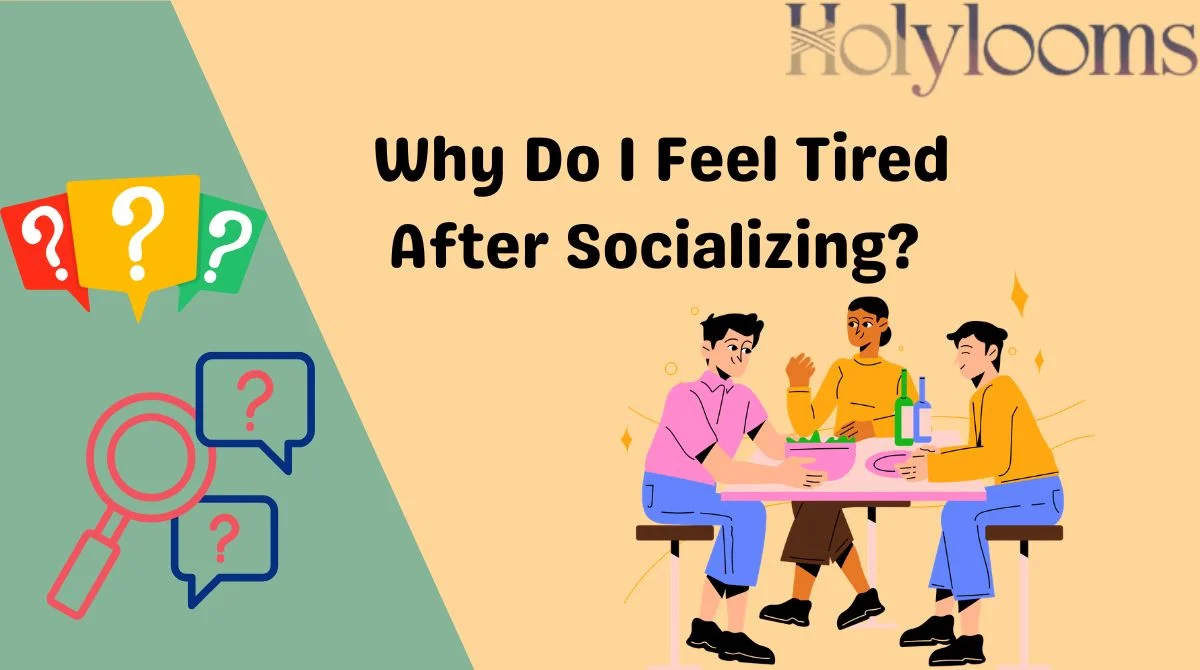
You enjoy people. You laugh. You talk. You connect.
Then you go home and feel completely drained.
If you’ve ever wondered, why do I feel tired after socializing? — you’re not strange. You’re not antisocial. And you’re definitely not alone.
Modern life demands constant interaction. Work meetings. Group chats. Parties. Family gatherings. Even texting counts as social energy. Your brain works hard during these moments. Very hard.
And when the brain works hard, it uses energy.
Let’s break down why this happens in simple, real-life terms.
Quick Answer Summary
You feel tired after socializing because your brain uses a lot of energy during social interaction. It processes facial expressions, tone, body language, emotions, and conversation all at once. This mental effort drains your nervous system, especially if you are introverted, stressed, anxious, or overstimulated.
What This Energy Signal Means
Tiredness after socializing is usually a sign that your brain worked hard.
Social interaction is not passive. It is active mental labor.
Your brain must:
- Read faces
- Understand tone
- Choose words
- Control emotions
- Follow social rules
- Monitor how others react
- Adjust behavior
That is a lot happening at once.
Think of it like running multiple apps on your phone at the same time. The battery drains faster.
Your brain also burns glucose (sugar) for energy. Long conversations, group settings, or emotionally intense talks can lower mental energy quickly.
This type of tiredness is called social fatigue or mental exhaustion.
It does not mean something is wrong. It means your nervous system needs recovery.
5 Science-Based Reasons
Here are the real, brain-based reasons you feel tired after being around people.
1. Your Brain Uses High Cognitive Energy
Conversation looks simple. But it’s complex.
When you talk, your brain activates areas responsible for:
- Memory
- Language
- Emotion
- Attention
- Self-control
Your prefrontal cortex works hard. This is the part of your brain that helps you plan, think, and regulate behavior.
After long periods of focus, this area becomes fatigued.
That mental tiredness feels like:
- Heavy eyes
- Low motivation
- Brain fog
- Desire to be alone
This is normal cognitive depletion.
2. You Are Constantly “Reading” People
Socializing is not just talking.
You are scanning for:
- Facial expressions
- Tone shifts
- Body language
- Micro-reactions
Your brain processes this information fast. Often without you realizing it.
This constant scanning uses emotional energy.
If you are highly empathetic or sensitive, this effect is stronger.
You may absorb other people’s moods. That takes extra energy.
3. Introversion vs. Extraversion Differences
If you are introverted, socializing drains energy faster.
This does not mean you dislike people.
Introverted brains are more sensitive to dopamine stimulation. Social environments provide a lot of stimulation.
That stimulation feels overwhelming sooner.
Extroverts recharge by being around others. Introverts recharge alone.
Neither is better. Just different nervous systems.
4. Sensory Overload
Modern social settings are loud and bright.
Restaurants. Music. Traffic. Phones buzzing.
Your brain processes all sensory input:
- Noise
- Light
- Smells
- Movement
Even background chatter increases mental load.
Too much stimulation activates the stress response.
Afterwards, your body feels exhausted.
5. Social Masking and Self-Monitoring
Many people adjust their personality depending on the situation.
At work, you may act professional.
With friends, more relaxed.
With family, different again.
This “masking” requires self-monitoring.
You are thinking:
- Am I saying the right thing?
- Do I sound smart?
- Am I being judged?
This internal checking drains energy quickly.
People with social anxiety feel this even more strongly.
Lifestyle Causes
Your daily habits can make social tiredness worse.
Poor Sleep
If you are sleep-deprived, your brain starts the day already tired.
Socializing then feels harder.
Sleep restores brain chemicals. Without it, mental energy crashes faster.
Dehydration
Even mild dehydration can cause:
- Fatigue
- Headaches
- Low concentration
Talking and being active increases fluid loss.
Drink water before and after social events.
Blood Sugar Drops
If you skip meals, your glucose drops.
The brain depends on glucose for fuel.
Low blood sugar makes you feel:
- Shaky
- Irritable
- Exhausted
Eat balanced meals before long events.
Too Many Events Without Recovery
Back-to-back social plans leave no recharge time.
Your nervous system needs quiet recovery space.
Alone time is not isolation. It is nervous system repair.
Mental Health / Stress Connection
Sometimes social tiredness connects to mental health patterns.
Anxiety
If you feel nervous while socializing, your body releases stress hormones like cortisol.
Cortisol increases heart rate and alertness.
Afterwards, cortisol drops. That drop can cause fatigue.
This is called a stress crash.
Depression
Depression lowers baseline energy.
Socializing may feel heavier than usual.
You might enjoy it but still feel deeply drained after.
Burnout
If you are overwhelmed in work or life, even small social interactions feel tiring.
Your brain has limited reserves.
Highly Sensitive Nervous System
Some people naturally process more information deeply.
They notice small details.
This is not a weakness.
But it does mean social interaction uses more energy.
When It Might Need Medical Check
Feeling tired after socializing is usually normal.
But talk to a healthcare professional if you experience:
- Extreme exhaustion after small interactions
- Dizziness or fainting
- Ongoing fatigue unrelated to activity
- Rapid heart rate or shortness of breath
- Depression symptoms
- Panic attacks
Conditions like:
- Thyroid imbalance
- Anemia
- Chronic fatigue
- Anxiety disorders
can amplify tiredness.
If the fatigue feels severe or new, it is worth checking.
Not a medical diagnosis. Education only.
Simple Energy Improvement Tips
You don’t have to avoid people to feel better.
Small adjustments can protect your energy.
1. Plan Recovery Time
After a big event, schedule quiet time.
No screens. No noise.
Just calm space.
2. Set Time Limits
Arrive later. Leave earlier.
Two quality hours may feel better than five draining hours.
3. Eat Before You Go
Stable blood sugar equals stable energy.
Include protein and healthy fats.
4. Hydrate
Bring water.
Dehydration worsens fatigue and brain fog.
5. Practice Grounding
Slow breathing helps calm the nervous system.
Try:
- Inhale for 4 seconds
- Hold for 4 seconds
- Exhale for 6 seconds
This lowers stress during interaction.
6. Reduce Sensory Load
Choose quieter environments when possible.
Step outside for short breaks.
7. Stop Over-Performing
You don’t need to be “on” all the time.
Authentic conversations use less energy.
8. Improve Sleep Quality
Deep sleep restores neurotransmitters.
Better sleep equals better social stamina.
9. Notice Patterns
Are you more tired around certain people?
Certain topics?
Certain environments?
Patterns give clues.
Frequently Asked Questions
Why do I feel exhausted after hanging out with friends?
Even enjoyable social time uses mental and emotional energy. Your brain processes conversation, emotion, and social signals continuously, which leads to fatigue afterward.
Is it normal to need alone time after socializing?
Yes. Many people recharge best alone. Alone time helps your nervous system recover from stimulation.
Why do I feel tired after talking a lot?
Speaking activates multiple brain regions. It also requires breath control and focus. Extended talking increases cognitive load, leading to mental fatigue.
Can anxiety make socializing more draining?
Yes. Anxiety increases stress hormones. After social interaction, the hormone drop can cause strong exhaustion.
How do extroverts not get tired?
Extroverts gain energy from social reward stimulation. But they still need rest. Their recovery style is simply different.
Conclusion
If you’ve been asking, why do I feel tired after socializing? — the answer is not weakness.
It is biology.
Your brain is powerful. But it uses energy.
Social interaction demands focus, emotional awareness, and sensory processing. That work adds up.
Needing rest afterward is not antisocial. It is smart self-regulation.
Pay attention to your patterns.
Protect your energy.
Build recovery time into your routine.
Connection is important. But so is recharge.
When you respect your nervous system, you enjoy people more — not less.

Adrian Walker is a passionate writer who enjoys sharing useful knowledge and practical insights with readers.
He focuses on creating simple, informative content that helps people learn new things and understand topics easily.