Travel can be exciting. You may visit new places, meet new people, and enjoy new experiences. Yet many people come home feeling exhausted.
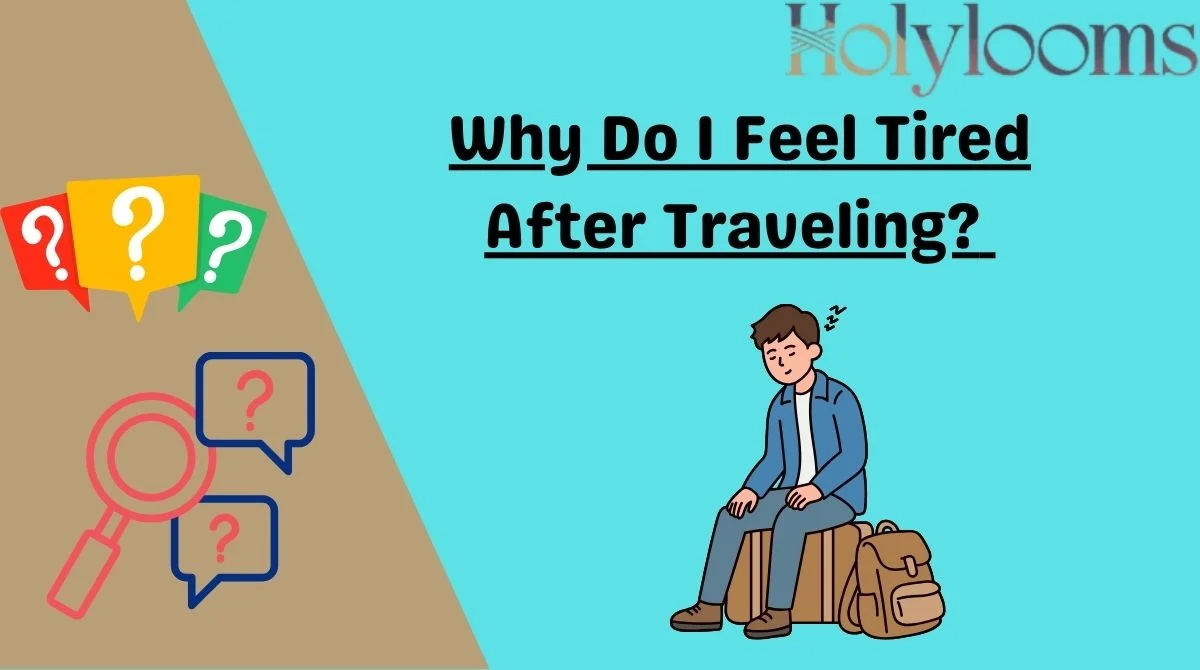
If you have ever asked yourself, “why do I feel tired after traveling?”, you are not alone.
Feeling tired after a trip is very common. Even a fun vacation can place extra demands on your body and brain.
Changes in sleep, movement, food, stress levels, and daily routines can drain your energy more than you realize.
This article explains why travel can leave you feeling worn out and what you can do to recover faster.
Quick Answer Summary
If you are wondering why do I feel tired after traveling, the most common reasons include:
- Poor sleep during travel
- Changes in your body clock
- Mental overload from new experiences
- Dehydration
- Physical strain from walking, sitting, or carrying luggage
- Stress before and during the trip
- Changes in eating habits
Most travel-related tiredness improves within a few days. Rest, hydration, healthy meals, and a return to normal routines often help your energy come back.
What This Energy Signal Means
Tiredness is your body’s way of asking for recovery.
Travel may seem relaxing on the surface, but your brain and body often work harder than usual. You may wake up earlier, sleep in unfamiliar places, spend hours in airports or cars, and constantly process new sights and sounds.
Your brain uses energy to handle all of these changes.
Think of travel as a workout for both the body and the mind. Even enjoyable experiences can leave you feeling drained afterward.
When you feel tired after a trip, your body may simply be telling you that it needs time to recharge.
7 Science-Based Reasons Why You Feel Tired After Traveling
Sleep Quality Often Gets Worse
Sleep is one of the biggest reasons people feel exhausted after travel.
Even if you spend enough hours in bed, the quality of sleep may be lower.
Common travel sleep disruptors include:
- Hotel noise
- Different beds and pillows
- Early flights
- Late-night activities
- Bright lights
- Temperature changes
Your brain sleeps best in familiar environments. Sleeping somewhere new can make your brain stay slightly more alert during the night.
As a result, you may wake up feeling less refreshed.
Your Internal Body Clock Gets Confused
Your body follows a natural daily rhythm called the circadian rhythm.
This internal clock controls:
- Sleep
- Energy
- Alertness
- Hormones
- Body temperature
Travel can disrupt this rhythm.
Even short trips can change sleeping and eating schedules. Long-distance travel can make the disruption even stronger.
When your body clock becomes misaligned, you may experience:
- Fatigue
- Brain fog
- Poor concentration
- Low motivation
Your body may need several days to fully adjust again.
Travel Requires More Mental Energy Than You Think
Travel often feels relaxing. But mentally, it can be demanding.
Your brain must constantly process:
- New environments
- Directions
- Schedules
- Transportation
- Languages
- Social interactions
At home, many tasks happen automatically.
During travel, your brain spends more energy making decisions and staying alert.
This mental workload can create a type of fatigue that feels different from physical tiredness.
You may notice:
- Difficulty focusing
- Reduced motivation
- Mental fog
- Feeling emotionally drained
Dehydration Can Lower Energy Levels
Many travelers do not drink enough water.
Travel days often include:
- Long flights
- Long drives
- Busy schedules
- More caffeine
- Less water intake
Even mild dehydration can affect energy.
Symptoms may include:
- Tiredness
- Headaches
- Dizziness
- Difficulty concentrating
- Dry mouth
Because dehydration develops gradually, many people do not realize it is contributing to their fatigue.
Physical Activity Changes Suddenly
Travel can change your activity level in either direction.
Some trips involve:
- Hours of walking
- Climbing stairs
- Carrying bags
- Standing for long periods
Other trips involve:
- Long hours sitting in cars
- Airplanes
- Buses
- Trains
Both extremes can leave you feeling tired.
If you walk much more than normal, your muscles need recovery.
If you sit for long periods, blood circulation and energy levels may decline.
Either way, your body may feel sluggish afterward.
Travel Stress Activates Your Energy Systems
Even enjoyable trips can create stress.
You may worry about:
- Flights
- Traffic
- Delays
- Reservations
- Budgets
- Safety
- Time management
When stress increases, your body releases hormones that help you stay alert.
These hormones are useful in the short term.
However, after the trip ends, your body may experience a drop in energy as it returns to normal.
This can make you feel surprisingly exhausted.
Changes in Food and Eating Patterns
Travel often changes the way people eat.
You may:
- Eat at unusual times
- Skip meals
- Eat larger portions
- Consume more sugar
- Drink more alcohol
- Eat fewer vegetables
These changes can affect blood sugar levels and digestion.
When blood sugar rises and falls quickly, energy levels may do the same.
Your body may also need time to recover from rich or heavy foods.
Lifestyle Causes That Make Travel Fatigue Worse
Some daily habits can increase tiredness after a trip.
Common lifestyle factors include:
- Not getting enough sleep before traveling
- Working until the last minute before departure
- Overpacking your schedule
- Skipping exercise
- Drinking too much caffeine
- Drinking too little water
- Returning immediately to work
Many people start a trip already tired.
Travel then adds more demands on top of existing fatigue.
This can make recovery take longer.
A slower pace before and after travel often helps.
The Mental Health and Stress Connection
Travel affects more than the body.
It can also affect emotions and mental energy.
Some people experience a surprising emotional crash after returning home.
This may happen because:
- Excitement suddenly ends
- Daily responsibilities return
- Vacation anticipation disappears
- Stress builds up again
Your brain enjoys novelty.
New experiences can stimulate reward systems and create positive feelings.
When the trip ends, the contrast between vacation and normal life can feel noticeable.
This emotional shift may contribute to feelings of tiredness.
Stress and anxiety can also interfere with recovery.
When the mind stays busy, the body may struggle to rest fully.
This is why mental well-being plays an important role in energy levels.
When Travel Tiredness Might Need Medical Attention
Most travel fatigue improves within a few days.
However, persistent exhaustion should not be ignored.
Consider speaking with a healthcare professional if tiredness:
- Lasts more than a few weeks
- Continues getting worse
- Interferes with daily life
- Occurs with unexplained weight changes
- Comes with severe dizziness
- Includes chest pain
- Causes shortness of breath
- Is accompanied by ongoing sleep problems
Sometimes fatigue may be linked to an underlying condition rather than travel itself.
Examples include:
- Anemia
- Thyroid disorders
- Sleep disorders
- Chronic stress
- Nutritional deficiencies
- Certain infections
A medical evaluation can help identify the cause.
Not a medical diagnosis. Education only.
Simple Energy Improvement Tips After Traveling
Return to a Normal Sleep Schedule
Try to sleep and wake at consistent times.
A stable routine helps your body clock recover more quickly.
Avoid staying up late for several nights after returning home.
Drink More Water
Hydration supports:
- Brain function
- Energy production
- Circulation
- Recovery
Keep water nearby throughout the day.
Many people feel better after correcting mild dehydration.
Get Natural Sunlight
Morning sunlight helps reset your internal clock.
Spend some time outdoors after travel whenever possible.
Natural light sends strong signals to the brain about when to feel awake and alert.
Eat Balanced Meals
Focus on foods that provide steady energy.
Good choices include:
- Fruits
- Vegetables
- Whole grains
- Lean proteins
- Healthy fats
Balanced meals help stabilize energy levels throughout the day.
Move Your Body Gently
Light activity can improve circulation and reduce sluggishness.
Consider:
- Walking
- Stretching
- Easy cycling
- Gentle exercise
You do not need intense workouts immediately after a trip.
Small amounts of movement can help.
Reduce Caffeine Dependence
It can be tempting to rely on coffee when tired.
However, too much caffeine may interfere with sleep and prolong fatigue.
Use caffeine in moderation while focusing on recovery habits.
Give Yourself Recovery Time
Many people return from vacation and immediately jump back into a busy schedule.
If possible, allow yourself a day or two to settle back into normal life.
Your body often needs this adjustment period.
Frequently Asked Questions
Why do I feel tired after traveling even after sleeping?
You may be getting enough hours of sleep but not enough quality sleep. Travel can disrupt your body clock, increase stress, and create mental fatigue that sleep alone does not immediately fix.
How long does travel fatigue usually last?
For most people, mild travel fatigue improves within a few days. Longer trips, major schedule changes, or international travel may require more recovery time.
Can dehydration cause tiredness after traveling?
Yes. Even mild dehydration can contribute to fatigue, headaches, brain fog, and reduced concentration. Drinking enough water can help restore energy.
Why do I feel mentally exhausted after a vacation?
Travel requires constant decision-making and attention. Your brain processes new information throughout the trip. This mental effort can leave you feeling drained afterward.
Is it normal to feel tired after a relaxing vacation?
Yes. Even relaxing trips involve changes in routine, sleep, food, movement, and environment. Your body and brain may still need recovery time after returning home.
Conclusion
If you keep wondering, “why do I feel tired after traveling?”, the answer is usually simpler than it seems. Travel places extra demands on your brain, body, and energy systems. Sleep changes, mental overload, dehydration, physical activity, and stress can all contribute to post-travel fatigue.
The good news is that this tiredness is often temporary.
By restoring healthy sleep, staying hydrated, eating nourishing foods, getting sunlight, and giving yourself time to recover, your energy can gradually return.
Travel may take energy, but it also brings experiences, memories, and growth. Listen to your body’s signals, allow yourself proper recovery, and you will be ready for your next adventure feeling stronger and refreshed.

Adrian Walker is a passionate writer who enjoys sharing useful knowledge and practical insights with readers.
He focuses on creating simple, informative content that helps people learn new things and understand topics easily.