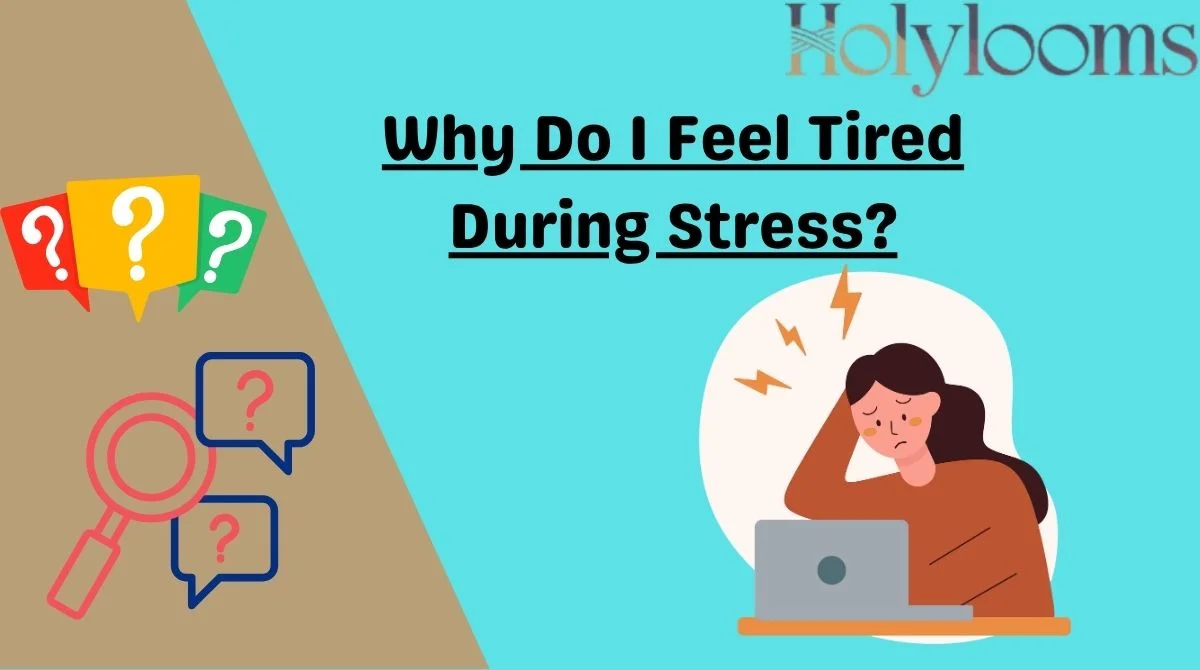
Stress does more than affect your mood. It can make your whole body feel tired, heavy, and drained. Many people wonder, “why do I feel tired during stress?” even when they are sleeping enough or not doing hard physical work.
The answer is simple. Stress forces your brain and body to work harder than normal. Your nervous system stays alert. Your mind keeps processing problems. Your muscles stay tense. Over time, this uses a lot of energy and can leave you feeling exhausted.
If stress has been making you feel tired lately, understanding why it happens can help you recover your energy and feel better.
Quick Answer Summary
If you are asking why do I feel tired during stress, it is usually because stress activates your body’s survival system.
This can:
- Increase energy use
- Disrupt sleep
- Cause muscle tension
- Raise mental workload
- Affect hormones
- Change eating habits
- Reduce recovery time
Even though stress can sometimes make you feel alert at first, long-term stress often leads to tiredness and low energy.
Not a medical diagnosis. Education only.
What This Energy Signal Means
Feeling tired during stress is often your body’s way of saying that it is spending more resources than it can easily replace.
Think of your body like a phone battery.
When stress appears, many apps start running in the background:
- Worry
- Problem-solving
- Emotional processing
- Physical tension
- Hormone changes
Even if you are sitting still, your brain may be working overtime.
This hidden energy use can slowly drain your battery throughout the day.
The tiredness is not always weakness. In many cases, it is a signal that your body needs recovery.
7 Science-Based Reasons You Feel Tired During Stress
Your Brain Uses More Energy
The brain is one of the most energy-hungry organs in the body.
When stress appears, the brain constantly scans for threats and solutions.
You may find yourself:
- Overthinking
- Replaying conversations
- Planning future scenarios
- Worrying about outcomes
This mental activity requires energy.
The more your brain stays busy, the more exhausted you may feel.
Stress Hormones Can Wear You Out
Stress triggers hormones that help you respond to challenges.
At first, these hormones may make you feel alert.
But when stress continues for days or weeks, your body can become tired from constantly staying in a high-alert state.
It is like keeping a car engine running all day. Eventually, fuel gets used up.
Sleep Quality Often Drops
Many stressed people sleep.
The problem is they do not always sleep well.
Stress can cause:
- Trouble falling asleep
- Frequent waking
- Light sleep
- Restless nights
Even if you spend eight hours in bed, poor-quality sleep may leave you feeling exhausted the next day.
Muscle Tension Uses Energy
When stressed, many people tighten muscles without realizing it.
Common areas include:
- Neck
- Shoulders
- Jaw
- Back
Holding muscles tight for long periods requires effort.
This constant tension can contribute to fatigue and body aches.
By evening, your body may feel like it has worked much harder than it actually has.
Emotional Stress Is Draining
Strong emotions require energy.
Feelings such as:
- Anxiety
- Fear
- Frustration
- Sadness
- Uncertainty
can place a heavy load on the brain.
Emotional stress often creates a sense of exhaustion that feels different from physical tiredness.
You may feel mentally empty even after doing very little.
Stress Can Affect Eating Habits
Stress changes the way many people eat.
Some eat less.
Others eat more.
Some rely on sugary foods or caffeine.
These habits can create energy ups and downs throughout the day.
Instead of steady energy, you may experience crashes that make you feel even more tired.
Recovery Time Becomes Limited
The body needs periods of rest to recharge.
When stress is constant, true recovery becomes harder.
You may spend your free time:
- Worrying
- Checking messages
- Thinking about problems
- Staying mentally engaged
Because the brain never fully switches off, energy stores may not refill properly.
Over time, tiredness builds up.
Lifestyle Causes That Can Make Stress Fatigue Worse
Stress is often only part of the story.
Certain lifestyle habits can make tiredness feel much stronger.
Too Much Screen Time
Many people spend hours looking at phones, tablets, and computers.
This can lead to:
- Mental overload
- Eye strain
- Reduced sleep quality
When stress and screen time combine, fatigue often increases.
Lack of Physical Activity
Exercise may seem like it would use more energy.
In reality, regular movement often improves energy levels.
People under stress sometimes stop exercising.
This can lead to:
- Lower stamina
- Poor sleep
- Reduced mood
- More fatigue
Caffeine Dependence
Coffee and energy drinks can provide a temporary boost.
However, relying heavily on caffeine may create a cycle of:
- Short-term alertness
- Energy crashes
- Poor sleep
- More tiredness
Busy Schedules
Modern life is full of demands.
Many people juggle:
- Work
- Family responsibilities
- Financial concerns
- Social obligations
A packed schedule can leave very little time for recovery.
Eventually, exhaustion appears.
The Strong Connection Between Stress and Mental Health
Stress and mental health are closely linked.
The brain and body constantly communicate with each other.
When stress continues for a long time, it can affect:
- Mood
- Focus
- Motivation
- Energy levels
Many people notice they feel tired even after resting.
This happens because mental strain itself can be exhausting.
Anxiety and Tiredness
Anxiety keeps the mind alert.
You may constantly think about what could go wrong.
This mental activity uses energy.
Many people with anxiety feel both restless and tired at the same time.
Low Mood and Fatigue
Stress that lasts for a long period can sometimes contribute to low mood.
Low mood often reduces motivation and energy.
Tasks that once felt easy may suddenly feel difficult.
Mental Burnout
Burnout happens when stress continues without enough recovery.
Common signs include:
- Constant exhaustion
- Reduced motivation
- Difficulty concentrating
- Feeling emotionally drained
Burnout is one reason people feel extremely tired during stressful periods.
When It Might Need a Medical Check
Stress is a common cause of fatigue, but it is not the only cause.
Consider speaking with a healthcare professional if:
- Tiredness lasts for several weeks
- Fatigue becomes severe
- You feel tired despite adequate rest
- Daily activities become difficult
- You experience unexplained weight changes
- You have ongoing dizziness
- You notice significant mood changes
Sometimes fatigue may be linked to sleep disorders, nutritional issues, hormone imbalances, infections, or other health conditions.
A medical evaluation can help identify the cause.
Simple Energy Improvement Tips
The good news is that small changes can often improve energy levels.
Improve Sleep Habits
Try to:
- Go to bed at a consistent time
- Keep your bedroom comfortable
- Limit screens before sleep
- Avoid large amounts of caffeine late in the day
Better sleep supports better energy.
Take Short Recovery Breaks
Recovery does not always require a vacation.
Even a few minutes can help.
Try:
- Deep breathing
- Stretching
- Walking
- Quiet time away from screens
These breaks help the nervous system reset.
Move Your Body Daily
Gentle movement can improve energy.
Examples include:
- Walking
- Cycling
- Stretching
- Light exercise
Regular activity supports brain health and reduces stress.
Eat for Stable Energy
Focus on balanced meals that include:
- Protein
- Fruits
- Vegetables
- Whole grains
- Healthy fats
Steady nutrition helps support steady energy.
Reduce Information Overload
Many people absorb stress all day through:
- News
- Social media
- Constant notifications
Creating periods of quiet can help the brain recover.
Talk About Your Stress
Sharing concerns with trusted people can reduce mental load.
You do not have to carry every problem alone.
Sometimes a conversation can relieve more stress than expected.
Practice Self-Compassion
Stressful periods happen to everyone.
Treat yourself with the same kindness you would offer a friend.
Recovery often happens faster when you stop fighting your own exhaustion.
Frequently Asked Questions
Why do I feel tired during stress even when I sleep enough?
Stress can reduce sleep quality, increase mental workload, and keep your body in a state of alertness. Even if you get enough hours of sleep, your body may not fully recover.
Can stress make you physically exhausted?
Yes. Stress can cause muscle tension, hormone changes, poor sleep, and increased energy use, all of which can contribute to physical fatigue.
Is it normal to feel tired after worrying all day?
Yes. Worry requires mental effort. Continuous thinking, planning, and emotional processing can leave you feeling mentally and physically drained.
How long can stress-related fatigue last?
It depends on the cause and severity of the stress. Some people feel better after a few days, while others may experience fatigue for weeks if stress remains high.
When should I see a doctor about stress and tiredness?
Consider medical advice if fatigue is severe, persistent, worsening, or interfering with everyday life. A healthcare professional can rule out other possible causes.
Conclusion
If you have been asking yourself why do I feel tired during stress, the answer often comes down to how much energy stress demands from your brain and body.
Stress is not only an emotional experience. It affects sleep, muscles, hormones, thinking, and recovery. All of these factors can drain energy over time.
The encouraging news is that stress-related fatigue often improves when you support your body with rest, movement, healthy habits, and regular recovery periods.
Pay attention to what your energy is trying to tell you. Tiredness is not always a sign that something is wrong. Sometimes it is a reminder that your mind and body need care, balance, and time to recharge.

Adrian Walker is a passionate writer who enjoys sharing useful knowledge and practical insights with readers.
He focuses on creating simple, informative content that helps people learn new things and understand topics easily.