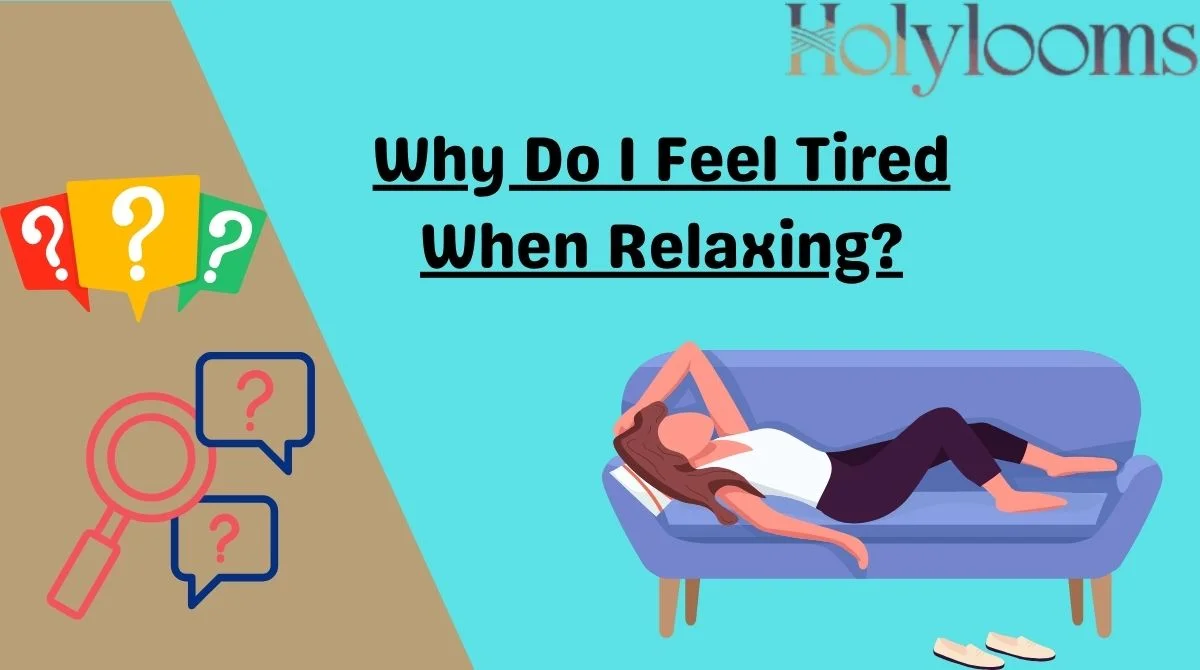
Many people ask, “Why do I feel tired when relaxing?” It can seem strange. You finish work, sit on the couch, finally have free time, and suddenly you feel exhausted.
Your eyes get heavy. Your body feels slow. Sometimes you even want to sleep right away.
This experience is very common. In many cases, it is not a sign that something is wrong. Instead, it may be your brain and body sending signals that were hidden during busy moments.
Not a medical diagnosis. Education only.
Why Modern People Often Feel Tired When Relaxing
Modern life keeps many people in a constant state of activity. Work, school, family duties, screens, notifications, and daily stress keep the brain busy for hours.
When you are active, your body releases chemicals that help you stay alert and focused. You may not notice how tired you truly are.
Then something changes.
You stop moving. You sit down. You relax.
Without all the distractions, your brain finally notices the fatigue that was there all along.
This is why many people suddenly feel sleepy, drained, or low on energy during quiet moments.
Quick Answer Summary
If you are wondering why you feel tired when relaxing, the most common reason is that your body is finally recognizing physical or mental exhaustion that was hidden during activity.
Other possible causes include:
- Stress recovery
- Poor sleep quality
- Mental overload
- Energy crashes
- Lack of movement
- Emotional fatigue
In many cases, relaxation does not create tiredness. It simply reveals it.
What This Energy Signal Means
Feeling tired while relaxing is often a message from your body.
Think of your brain like a busy office.
When many tasks are happening at once, workers stay active and focused. They may not notice how tired they are.
Once the workday ends, the tiredness becomes obvious.
Your body works in a similar way.
During busy periods, stress hormones help keep you alert. When the activity stops, those alertness signals become weaker. The brain then notices that energy levels are lower than expected.
This can be a normal recovery process.
Sometimes it means:
- You need more sleep
- You need mental rest
- You need better stress management
- You need physical recovery
The feeling itself is often a clue that your body wants restoration.
6 Science-Based Reasons You Feel Tired When Relaxing
Your Stress Hormones Are Dropping
When you are busy, your body releases hormones that help you stay awake and alert.
These hormones increase focus and reaction speed.
Once you relax, those hormone levels begin to decrease.
As they fall, your body shifts into recovery mode.
The result can feel like:
- Sleepiness
- Low energy
- Heavy eyelids
- Reduced motivation
Many people mistake this natural shift for a problem when it is actually part of the body’s recovery process.
You Were More Exhausted Than You Realized
Many people push through tiredness all day.
Work deadlines, errands, family duties, and responsibilities can keep the brain moving forward even when energy reserves are low.
Relaxation removes those distractions.
Suddenly, the hidden fatigue becomes noticeable.
It may seem like relaxing caused the tiredness.
In reality, the tiredness was already there.
Your Brain Finally Feels Safe Enough to Rest
The brain constantly checks for demands and challenges.
When responsibilities are present, the brain stays prepared for action.
When you finally sit down and feel safe, the brain receives a different message:
“Recovery is allowed now.”
This can trigger feelings of sleepiness and relaxation.
It is similar to how some people feel exhausted immediately after completing a stressful project or exam.
Mental Fatigue Is Catching Up With You
Physical work is not the only thing that uses energy.
Thinking uses energy too.
Decision-making, problem-solving, planning, and concentrating can tire the brain.
Mental fatigue often builds quietly.
You may not notice it while working.
But once the stimulation stops, your brain may signal that it needs recovery.
Common signs include:
- Brain fog
- Low motivation
- Difficulty concentrating
- Desire to nap
Poor Sleep Is Creating an Energy Debt
Sleep debt happens when you regularly get less sleep than your body needs.
Even losing small amounts of sleep over several days can affect energy levels.
While staying busy, you may not notice the effects.
During relaxation, the body’s need for sleep becomes more obvious.
Signs of sleep debt include:
- Daytime sleepiness
- Frequent yawning
- Reduced focus
- Feeling tired during quiet activities
Improving sleep quality often reduces tiredness during relaxation.
Your Nervous System Is Switching Modes
The body has different systems that help regulate energy.
One system supports action and alertness.
Another supports recovery, digestion, and rest.
When you relax, your body shifts more toward the recovery side.
This change is healthy.
However, if you have been stressed for a long time, the shift can feel dramatic.
Instead of feeling peacefully calm, you may suddenly feel very tired.
Lifestyle Causes That Can Make Relaxation Feel Exhausting
Daily habits play a major role in energy levels.
Several lifestyle factors can make tiredness appear more strongly during rest.
Too Much Screen Time
Phones, tablets, and computers keep the brain stimulated.
Hours of screen exposure can create mental fatigue.
Even when you stop working, your brain may still feel overloaded.
Irregular Sleep Schedule
Going to bed at different times each night can confuse the body’s internal clock.
This may lead to daytime tiredness and stronger fatigue during relaxation.
Poor Nutrition
The brain needs fuel.
Skipping meals or eating mostly processed foods may reduce stable energy levels.
This can increase feelings of exhaustion when activity slows down.
Dehydration
Even mild dehydration can affect:
- Concentration
- Mood
- Energy
Many people simply do not drink enough water throughout the day.
Lack of Physical Activity
Regular movement supports healthy energy regulation.
Ironically, too little movement can make people feel more tired rather than more rested.
The Connection Between Stress, Mental Health, and Tiredness
Stress affects both the brain and body.
When stress lasts for weeks or months, energy systems work harder than normal.
Eventually, fatigue can develop.
Emotional Exhaustion
Emotional demands require energy.
Relationship issues, financial worries, family responsibilities, and work pressure can create hidden fatigue.
Even if your body feels physically fine, emotional strain may leave you feeling tired during quiet moments.
Anxiety
People with anxiety often stay mentally alert for long periods.
The brain continuously scans for problems or threats.
This constant mental activity can be exhausting.
When relaxation finally occurs, accumulated fatigue may become noticeable.
Burnout
Burnout is more than ordinary tiredness.
It involves ongoing mental, emotional, and physical exhaustion.
Common signs include:
- Constant fatigue
- Low motivation
- Reduced productivity
- Feeling drained after small tasks
Relaxation may reveal burnout symptoms more clearly because the body no longer has distractions.
Depression
Fatigue is a common symptom of depression.
Some people experience low energy even after adequate sleep.
They may feel tired during both activity and relaxation.
Persistent fatigue combined with sadness, hopelessness, or loss of interest deserves professional attention.
When Feeling Tired During Relaxation Might Need Medical Attention
Often, tiredness during relaxation is normal.
However, sometimes it may indicate a health issue.
Consider speaking with a healthcare professional if:
- Fatigue lasts for weeks
- Energy levels continue getting worse
- You feel tired even after sufficient sleep
- Daily activities become difficult
- You experience dizziness, fainting, or severe weakness
- Fatigue affects work, school, or relationships
Medical causes may include:
- Sleep disorders
- Nutrient deficiencies
- Hormonal imbalances
- Chronic infections
- Certain medications
- Other health conditions
A professional evaluation can help identify the cause.
Simple Energy Improvement Tips
The good news is that many people can improve energy levels through simple daily habits.
Prioritize Sleep
Aim for consistent sleep and wake times.
Quality sleep is one of the strongest tools for restoring energy.
Take Real Breaks
Short breaks throughout the day help prevent mental overload.
Even a few minutes away from screens can help.
Move Your Body
Walking, stretching, or light exercise can improve energy regulation.
Regular movement often reduces fatigue over time.
Stay Hydrated
Drink water regularly throughout the day.
Hydration supports both brain function and physical energy.
Manage Stress
Healthy stress-management habits may include:
- Deep breathing
- Meditation
- Journaling
- Spending time outdoors
- Talking with supportive people
Eat Balanced Meals
Try to include:
- Protein
- Fruits
- Vegetables
- Whole grains
Balanced nutrition helps support steady energy levels.
Listen to Your Body
Sometimes tiredness is not a problem to fight.
Sometimes it is a message.
If your body is asking for rest, recovery may be exactly what you need.
Frequently Asked Questions
Why do I feel tired when I finally sit down?
When you stop being busy, your brain notices fatigue that was hidden during activity. Relaxation often reveals existing tiredness rather than creating it.
Is it normal to feel sleepy when relaxing?
Yes. Many people feel sleepy during relaxation because stress hormones decrease and the body shifts into recovery mode.
Why do I feel more tired on weekends?
Weekends often provide the first opportunity for true rest. Your body may finally recognize accumulated sleep debt and stress-related fatigue.
Can stress make me feel tired when resting?
Yes. Long-term stress can keep the brain alert for extended periods. Once relaxation begins, hidden exhaustion may become more noticeable.
Should I worry if I always feel tired when relaxing?
Not necessarily. However, if fatigue is severe, persistent, worsening, or interfering with daily life, it is wise to speak with a healthcare professional.
Conclusion
If you have ever wondered, “Why do I feel tired when relaxing?” the answer is often simpler than it seems.
Relaxation does not always create fatigue. More often, it reveals fatigue that was already present beneath the surface.
Your brain and body work hard every day. Stress, mental effort, poor sleep, emotional strain, and busy schedules can quietly drain energy reserves. When activity stops, the body finally gets a chance to speak up.
Instead of viewing that tired feeling as a weakness, consider it useful information.
It may be a signal that you need more sleep, better recovery, less stress, or a healthier balance between work and rest.
Pay attention to the message. Small changes in daily habits can make a big difference in how energized, focused, and healthy you feel over time.

Adrian Walker is a passionate writer who enjoys sharing useful knowledge and practical insights with readers.
He focuses on creating simple, informative content that helps people learn new things and understand topics easily.