Stress is a normal part of life. A busy job, family duties, money worries, school pressure, and daily challenges can all create stress.
But many people notice something confusing.
They are not doing heavy physical work, yet they feel exhausted.
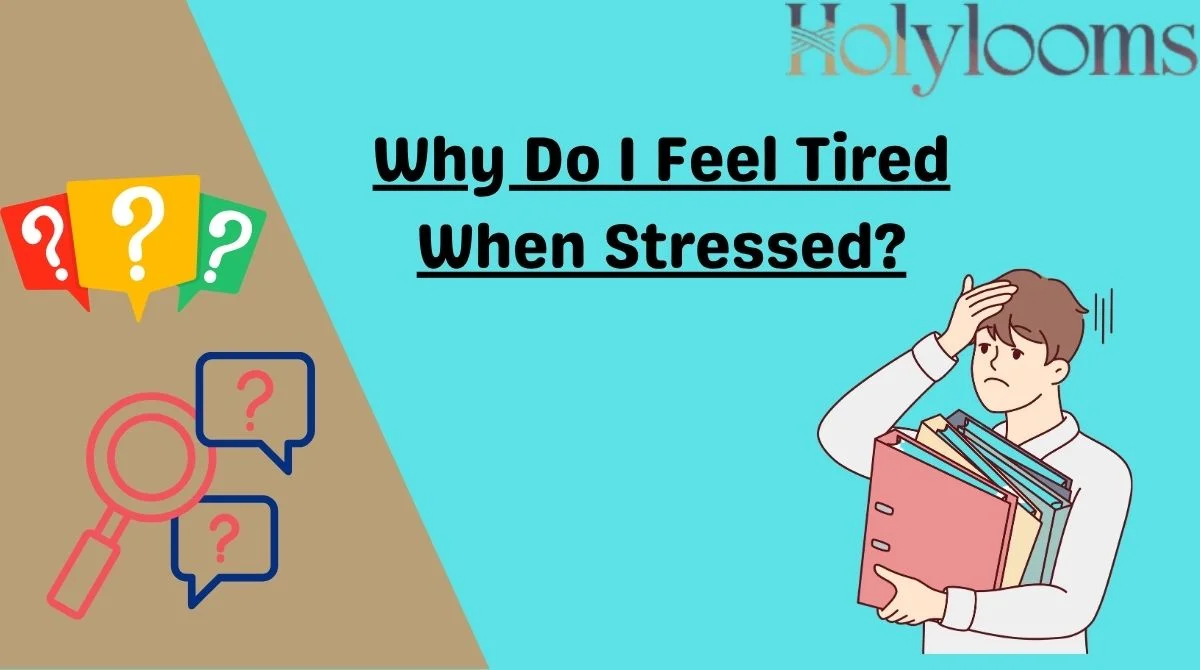
If you have ever asked yourself, “why do I feel tired when stressed?”, the answer is simpler than it may seem.
Stress does not only affect your emotions. It also affects your brain, hormones, nervous system, sleep, and energy levels.
Over time, this can leave you feeling drained even when you have done very little physical activity.
Understanding why this happens can help you protect your energy and feel better.
Quick Answer Summary
If you are wondering why do I feel tired when stressed, it is because stress forces your body and brain to stay on high alert.
This process uses a lot of energy.
Stress can:
- Increase stress hormones
- Make your brain work harder
- Disrupt sleep
- Cause muscle tension
- Create emotional exhaustion
- Reduce motivation and focus
The longer stress lasts, the more tired you may feel.
What This Energy Signal Means
Feeling tired during stress is not a sign of weakness.
It is often your body’s way of telling you that its resources are being used up.
Think of your body like a phone battery.
When too many apps are running in the background, the battery drains faster.
Stress works in a similar way.
Even when you are sitting still, your brain may be:
- Solving problems
- Worrying about the future
- Replaying past events
- Managing emotions
- Looking for possible dangers
All of this uses mental energy.
Eventually, your body sends a signal: fatigue.
That signal is your body’s way of asking for recovery.
5 Science-Based Reasons Stress Makes You Feel Tired
Your Body Stays in Survival Mode
When stress appears, your body activates its natural survival system.
This system prepares you to react quickly.
Your heart beats faster.
Your muscles tighten.
Your brain becomes more alert.
For short periods, this can be helpful.
But when stress lasts for days or weeks, the body remains in a state of readiness.
That constant alertness consumes energy.
Over time, exhaustion develops.
Stress Hormones Use More Energy
Stress increases hormones such as cortisol and adrenaline.
These hormones help you handle challenges.
At first, they may even make you feel energized.
However, if stress continues, the body keeps producing these chemicals.
This ongoing process can wear you down.
Many people experience:
- Fatigue
- Mental fog
- Low motivation
- Lack of energy
The body simply cannot stay in emergency mode forever.
Your Brain Works Harder Than Normal
Stress creates extra mental work.
Your brain begins analyzing situations more often.
It may constantly think about:
- Problems
- Deadlines
- Relationships
- Finances
- Future events
This mental activity burns energy.
Even if you spend the whole day sitting at a desk, your brain may be working overtime.
That is one reason people often feel exhausted after stressful days.
Stress Disrupts Sleep Quality
Sleep is one of the body’s most important recovery tools.
Unfortunately, stress often interferes with sleep.
You may:
- Take longer to fall asleep
- Wake up during the night
- Sleep lightly
- Wake up feeling unrefreshed
Even if you spend enough hours in bed, poor-quality sleep can leave you tired the next day.
This creates a cycle.
Stress affects sleep.
Poor sleep increases fatigue.
Fatigue makes stress harder to handle.
Emotional Exhaustion Drains Energy
Stress is not only physical.
It is emotional too.
Managing difficult emotions requires effort.
Feelings such as:
- Worry
- Fear
- Frustration
- Sadness
- Overwhelm
can slowly drain your energy reserves.
This is called emotional exhaustion.
Many people describe it as feeling “empty” or “used up.”
Even simple tasks can feel difficult when emotional energy is low.
Lifestyle Causes That Make Stress Fatigue Worse
Stress is often not the only reason for tiredness.
Certain lifestyle habits can make the problem much worse.
Too Much Screen Time
Phones, computers, and tablets keep the brain stimulated.
Constant notifications and information overload increase mental fatigue.
The brain rarely gets a chance to rest.
Poor Eating Habits
During stressful times, many people:
- Skip meals
- Eat too much sugar
- Choose fast food
- Drink excessive caffeine
These habits can cause energy crashes.
The body struggles to maintain stable energy levels.
Lack of Physical Activity
Stress can reduce motivation to exercise.
But less movement often leads to lower energy.
Regular physical activity helps improve circulation, mood, and energy production.
Not Taking Breaks
Many people push through stress without resting.
They keep working and ignore signs of fatigue.
Eventually, the body demands recovery.
The result is often extreme tiredness.
Too Much Caffeine
Coffee and energy drinks may seem helpful.
However, relying on them can create problems.
Temporary energy boosts are often followed by crashes.
Excess caffeine may also affect sleep quality.
The Strong Connection Between Stress and Mental Health
Mental health and energy are closely connected.
Stress affects both.
When stress becomes long-term, it can influence:
- Mood
- Motivation
- Focus
- Emotional balance
The brain spends more effort managing difficult thoughts and emotions.
This extra effort can feel exhausting.
Many people notice:
- Reduced concentration
- Brain fog
- Low enthusiasm
- Feeling mentally drained
In some cases, ongoing stress may contribute to anxiety or depression, both of which commonly include fatigue.
This is why mental well-being is an important part of energy health.
When Tiredness Might Need a Medical Check
Stress is a common reason for fatigue.
However, it is not the only possible cause.
Consider speaking with a healthcare professional if:
- Tiredness lasts for several weeks
- Fatigue becomes severe
- Sleep does not improve energy
- You feel dizzy often
- You experience unexplained weight changes
- Daily activities become difficult
- Fatigue suddenly becomes much worse
Medical conditions can sometimes cause symptoms that look similar to stress-related fatigue.
Getting proper advice can help identify the cause.
Not a medical diagnosis. Education only.
Simple Energy Improvement Tips
The good news is that small changes can make a big difference.
Improve Sleep Habits
Try to:
- Sleep at the same time each night
- Reduce screen use before bed
- Keep the bedroom quiet and comfortable
Better sleep supports brain recovery.
Move Your Body Daily
Even short walks can help.
Physical activity improves:
- Energy levels
- Mood
- Blood flow
- Stress management
You do not need intense workouts to benefit.
Eat Regular Balanced Meals
Focus on foods that provide steady energy.
Examples include:
- Fruits
- Vegetables
- Whole grains
- Protein-rich foods
- Healthy fats
Stable nutrition helps support brain and body function.
Practice Relaxation
Simple stress-reducing activities can help lower mental load.
Examples include:
- Deep breathing
- Gentle stretching
- Spending time outdoors
- Listening to calming music
- Quiet reflection
These activities give the nervous system a chance to recover.
Reduce Mental Overload
You do not need to solve everything at once.
Try:
- Writing down tasks
- Breaking large goals into smaller steps
- Taking short breaks during work
This reduces pressure on the brain.
Stay Connected
Talking with trusted people can reduce emotional strain.
Support from friends, family, or professionals can make stressful situations feel more manageable.
Frequently Asked Questions
Why do I feel tired when stressed even if I sleep enough?
Stress can affect sleep quality, hormone balance, and mental energy. Even if you sleep for many hours, your body may not recover fully when stress levels remain high.
Can emotional stress make you physically tired?
Yes. Emotional stress activates the body’s stress response. This process uses energy and can create physical fatigue.
Is stress fatigue real?
Yes. Stress fatigue is a common experience. Mental and emotional strain can lead to genuine feelings of exhaustion.
How long does stress-related tiredness last?
It varies from person to person. Some people recover quickly after stress decreases. Others may need more time, especially if stress has been ongoing for weeks or months.
What is the fastest way to improve energy during stress?
Improving sleep, staying active, eating balanced meals, taking breaks, and managing stress levels are some of the most effective ways to support energy recovery.
Conclusion
If you keep asking yourself, “why do I feel tired when stressed?”, remember that your body is responding exactly as it was designed to.
Stress requires energy.
Your brain works harder.
Your hormones stay active.
Your emotions demand attention.
Your sleep may suffer.
All of these factors can leave you feeling exhausted.
The good news is that stress-related fatigue often improves when you support your body and mind with rest, movement, healthy habits, and recovery time.
Pay attention to your energy signals.
They are not random.
They are messages from your body telling you what it needs.
Listen to those signals, care for yourself consistently, and your energy can gradually return.

Adrian Walker is a passionate writer who enjoys sharing useful knowledge and practical insights with readers.
He focuses on creating simple, informative content that helps people learn new things and understand topics easily.